The clients who get the best laser hair reduction results share one thing in common. They prepare with intention. Technique and technology matter, but preparation shapes how safely and efficiently the energy hits the follicle, how evenly the skin responds, and how many sessions you ultimately need. As a specialist who has treated thousands of underarms, chins, backs, and full bodies, I have learned where small decisions ahead of time make a big difference on the table.
What “permanent” really means
Permanent laser hair removal is a phrase that invites confusion. Lasers do not remove every single hair for life. They disable a high percentage of active follicles so they stop producing visible hair. Most people see a long lasting hair removal outcome in the range of 70 to 90 percent reduction after a full series, followed by occasional touch ups. Hormones, medications, and genetics influence that last stretch. For example, a client with polycystic ovary syndrome might get to 70 percent reduction on the face and 85 percent on the body, but will usually need maintenance sessions once or twice a year. Men often retain some finer, slow growing hair on the back or shoulders even after strong results, while women tend to see excellent clearance on underarms and lower legs.
This is why I prefer the phrase laser hair reduction when setting expectations, yet I still use permanent laser hair removal in marketing because clients search for it. The core truth remains. When done properly, medical laser hair removal offers a safe, effective, long term solution far beyond what waxing or shaving can deliver.
How the laser actually works on a hair
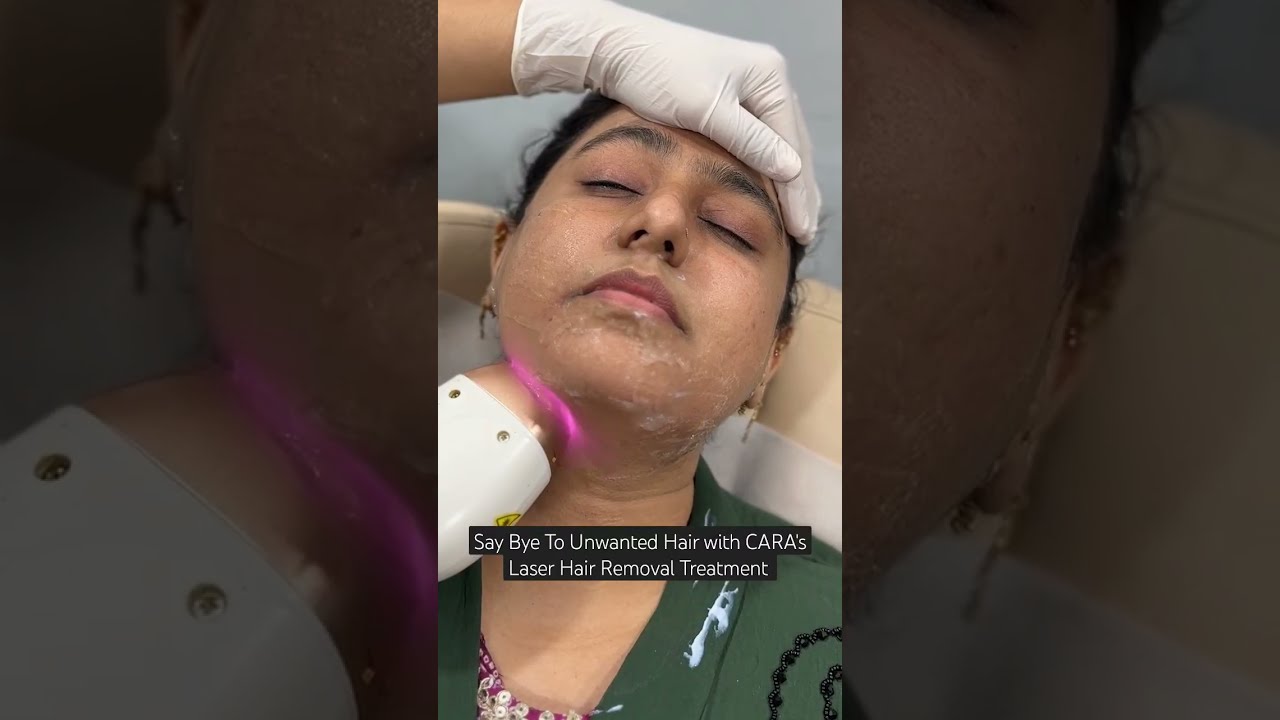
During a laser hair removal procedure, light at a specific wavelength targets melanin in the hair shaft, travels down to the follicle, and converts to heat. If the hair is in its growth phase, that heat can disable the follicle’s ability to regrow. Hairs cycle through growth and rest, which is why one session cannot catch them all. This is also why dark, coarse hairs respond most quickly at first, and why spacing treatments two to eight weeks apart, depending on the area, hits more follicles in the active phase.
Skin type matters because melanin in the epidermis also absorbs energy. Advanced laser hair removal machines balance wavelength, pulse duration, and cooling to treat melanin in the hair while protecting the skin. That is the art and science you are paying for when you choose a professional laser hair removal clinic.
Choosing the right clinic, not just the nearest one
I often hear, “I typed laser hair removal near me and booked the cheapest package.” Sometimes that works, often it does not. The best laser hair removal outcomes happen in the hands of a trained provider with the right device for your skin tone and hair characteristics. Look for a laser hair removal center or med spa that:
- Treats a broad range of Fitzpatrick skin types with more than one platform. Can name their devices and explain why they are choosing a setting for you. Shows you real laser hair removal before and after photos on clients with hair like yours. Reviews your health history, medications, and sun habits. Trains you on pre and post care in practical terms.
I do not expect clients to become laser engineers. But I do expect the clinic to behave like professionals, not just coupon distributors. Affordable laser hair removal is possible without corner cutting. Cheap laser hair removal that rushes the consultation or uses one one-size-fits-all setting often costs more in the long run.
Consultation and true candidacy
A proper laser hair removal consultation covers four essentials. First, your goals by area. Full body laser hair removal does not need to happen all at once. You can stage it for budget or comfort. Second, your skin, hair, and medical context. I check for a history of keloids, active acne flares, melasma patterns, isotretinoin use within the past 6 to 12 months, and any photosensitizing medications. Third, your hair growth driver. Hormonal hair growth behaves differently from inherited body hair, and the plan shifts accordingly. Fourth, your schedule. If your work demands tropical travel or summer sports every weekend, we build around sun exposure.
The consultation should set session counts by area, not as a single vague number. Underarm laser hair removal typically takes 6 to 8 sessions. Facial laser hair removal, especially the chin and upper lip, runs 8 to 12 sessions for durable reduction because facial hair cycles faster and hormones play a bigger role. Back laser hair removal in men often spans 8 to 12 sessions because of density and depth. Lower leg laser hair removal can show striking change in 4 to 6 sessions because hair there is coarse, dark, and relatively synchronized in growth.
A quick primer on laser technology
Three wavelengths dominate professional laser hair removal. No machine is right for everyone, and I use each in different scenarios.
- Alexandrite, 755 nm. Often the fastest option for lighter skin tones with dark hair. Great for legs, arms, and backs on Fitzpatrick I to III. Not my pick for dark skin due to higher epidermal melanin absorption. Diode, around 805 to 810 nm. A versatile workhorse for many skin types. I use diode laser hair removal frequently on Fitzpatrick II to IV, especially for large body areas. It balances speed with safety when paired with strong cooling. Nd:YAG, 1064 nm. Safest for darker skin tones because its energy bypasses much of the epidermal melanin and targets deeper structures. I rely on nd yag laser hair removal for Fitzpatrick IV to VI and for vascular, bumpy areas prone to ingrowns.
Good clinics often carry at least two. The latest laser hair removal platforms add contact cooling, dynamic cryogen spray, or air cooling to help with comfort and skin protection. Advanced laser hair removal does not always mean newer is better. It means the device is used appropriately, with conservative test spots when needed.
A realistic prep timeline
Good preparation starts weeks, not hours, before your first appointment. I tell clients to think in terms of skin, hair, and lifestyle. Skin needs to be calm, hair needs to be present under the surface but not above it, and lifestyle needs to avoid avoidable risks like sunburn. The timing below works across most body areas.
- Four weeks out: Stop waxing, plucking, epilating, threading, and depilatory creams in the treatment zone. Shaving is fine. You want the follicle present for the laser to find it. If you have a history of ingrown hairs, switch to a fresh, single blade razor and shave with a bland, fragrance-free gel to reduce inflammation. Two weeks out: Minimize sun exposure and skip tanning beds. If you already have a tan or recent burn, tell your provider. A tan can change settings, slow your plan, or pause treatment to protect your skin. Review medications with your provider, including antibiotics, acne treatments, and supplements like St. John’s wort that can increase sun sensitivity. Three to five days out: If you use exfoliants like glycolic acid, salicylic acid, or retinoids on the area, pause them. The aim is to keep the skin barrier intact and calm. The day before: Shave the area closely in good light. Do not dry shave. Use a clean, sharp razor. Leave a small patch of hair unshaved if your provider asked for it to assess color and density. The day of treatment: Arrive with clean, product-free skin. No lotions, oils, deodorant, perfumes, self tanner, or makeup on the treatment zone. Wear loose clothing over body areas and remove jewelry near the beam path.
Clients who follow this simple flow see fewer side effects and faster passes because the laser energy engages the root effectively without wasting energy on surface hair or irritated skin.
What treatment feels like and how we manage comfort
Most describe the sensation as a quick snap with warmth. Underarms and bikini lines are spicier than forearms or legs due to nerve density. Thick, dark hair transmits more heat, so the first sessions tend to feel stronger. As reduction builds and the hair thins, the sensation fades. I keep topical numbing as a tool, not a crutch. For facial zones, numbing creams can constrict vessels and change skin response, so I use them selectively and only when timing allows for proper onset and removal.
Cooling is your friend. Modern devices use chilled sapphire tips, cold air, or brief cryogen sprays to cool the epidermis. I pair that with gentle pressure and a steady rhythm so the skin never overheats in one area. Clients who hydrate, avoid caffeine right before, and come in without residual makeup or lotion report smoother sessions.
Area by area nuances
Facial laser hair removal responds differently than body areas. The upper lip and chin cycle quickly, so we schedule sessions as close as every 3 to 4 weeks at first. If you struggle with beard shadows or coarse chin hair triggered by hormones, I often add anti-inflammatory skincare between sessions. Beard laser hair removal in men requires careful edge planning around the jawline to maintain shape. I map growth patterns while you are sitting upright, then treat with a respect for how facial hair frames the face.
Underarm laser hair removal is a morale booster because results show fast. Hair density falls sharply after two to three sessions. I always check for deodorant residue, which can create unnecessary heat. Bikini and brazilian laser hair removal benefit from precise communication on boundaries and modesty. The area is sensitive, but with cooling and fast technique, most clients tolerate it well. Men and women both need to avoid tight, abrasive clothing for a day afterward.
Leg laser hair removal is efficient because hair is coarse and contrast tends to be high. We pace passes to maintain even coverage across the calves, knees, and thighs. Arm laser hair removal and chest laser hair removal often show variable growth patterns; we adjust fluence across zones accordingly. Back laser hair removal calls for patience in men due to deep, dense follicles. I usually take a bit more time on the shoulders and upper back where ingrowns can be stubborn.
Skin tones, hair colors, and edge cases
Laser hair removal for dark skin is safe when done with appropriate wavelengths and conservative settings. I use Nd:YAG most often, test in a small spot, and watch for late-onset reactions. Avoid clinics that say dark skin cannot be treated at all or clinics that promise painless laser hair removal at high energy without test spots. For very light hair, gray, red, or blond, standard melanin-targeting lasers struggle. Some clients try to darken hair with dye, but dye colors the shaft, not the root, and does not improve outcomes meaningfully. If your hair is fine and light, I explain the realistic ceiling and suggest alternative grooming strategies for specific patches.
For acne prone skin, I avoid occlusive post care and keep the area clean and dry after sessions. For clients prone to ingrowns, especially in the bikini line and beard area, laser is often life changing. By reducing hair diameter and density, the number of painful bumps drops sharply within a couple of sessions. Teenagers can be treated with parental consent, but I manage expectations, since hormonal surges during late teens may require more maintenance. Laser hair removal for adults with stable hormones tends to hold longer.
Health conditions and medications that matter
Your skin does not care that your appointment is on the calendar. If you recently finished isotretinoin, most providers wait 6 to 12 months before starting cosmetic laser hair removal to reduce risk of abnormal healing. If you are on antibiotics like doxycycline, or medications that increase photosensitivity, a pause or dose timing may be needed. Pregnancy is a gray zone. There is no definitive evidence of harm from hair removal with laser during pregnancy, but we generally defer until after delivery out of caution. Breastfeeding is usually considered fine from a laser standpoint, but topical numbing and certain post care products might be restricted.
If you have a history of vitiligo, psoriasis, or melasma, disclose it. We can still often treat, but I am more cautious with test spots and sun exposure. If you form keloids, we may limit facial treatment or use lower fluence with longer pulse widths, then watch carefully.
Safety, side effects, and how to recover smoothly
The most common transient effects are redness, perifollicular edema that looks like goosebumps around each follicle, and mild warmth. These indicate the laser targeted the follicle. They settle within hours to a day. Temporary darkening or lightening can occur, especially if you have a tan or treat inflammatory areas. Blisters are rare in experienced hands, and burns are a red flag. If you feel intense heat during treatment that does not fade within seconds, speak up immediately. I would rather pause and adjust than push through.
Keep aftercare simple. Cool compresses for comfort, bland moisturizer if the area feels tight, and sun avoidance are the basics. Skip hot yoga, saunas, and rough scrubs for 24 to 48 hours. If small scabs form, let them release naturally. If you are outdoors, use a broad spectrum SPF 30 or higher on exposed treated skin. This is not just about pigment change. Freshly treated skin loses some barrier resilience for a day or two, and sun can push irritation into a longer recovery.
How many sessions and how far apart
Spacing depends on the body area and your response. Face, including upper lip and chin laser hair removal, cycles fast, so we start every 3 to 4 weeks. Underarms and bikini sit around 4 to 6 weeks. Arms, legs, chest, and back land in the 6 to 8 week range. As reduction builds, we extend intervals to capture new growth in the active phase. Most clients complete a series in 6 to 10 sessions for many body areas. Dense backs, hormonal faces, or new growth triggered by life events can take longer. Laser hair removal maintenance visits once or twice a year keep results consistent.
Cost, packages, and how to compare offers
Laser hair removal cost varies widely by market, device, and provider expertise. A single small area like upper lip might run 40 to 150 per session. Larger zones like full legs can range from 250 to 600 per session. Full body laser hair removal packages are priced to volume and often include 6 to 8 sessions. Some clinics offer a monthly plan or laser hair removal subscription that spreads payments out, or deals that reduce the price for bundled areas like underarm plus bikini.
When you compare laser hair removal price quotes, ask what is included. Are touch ups discounted? Does the clinic charge for missed appointments? Is numbing included if needed? Will you always see the same provider? Laser hair removal offers that sound too good often rotate trainees through without continuity or extend intervals too far, which drags progress. Value comes from consistent technique, appropriate energy, and honest tracking of results.
What results look like session by session
The first two sessions usually bring the biggest visible changes, especially on coarse body hair. You will notice slower stubble, patchy gaps where hair used to be, and https://www.instagram.com/myethos360 less irritation from shaving. The third to fifth sessions build density reduction. By the sixth to eighth, remaining hairs are finer and lighter. This is when some clients ask if they can stop. If you like the outcome, you can pause. If your goal is the best laser hair removal result with longer gaps between shaves or none at all, finish the plan and expect an occasional laser hair removal touch up later.
I encourage photo documentation. Crisp, consistent lighting before and after images help you and your provider see progress beyond memory. A simple phone photo in the same mirror, same distance, and same time of day works.
Pain points people do not talk about, but should
Razor burn right before a session can derail a pass. Shave gently the day before, not minutes before. Self tanner and tinted body lotions can absorb laser energy and increase risk. Remove them fully. Deodorant on underarms can flash and sting. Wipe it off at the clinic if you forgot. For men, beard hair on the neck grows in swirls. If you are considering beard shaping with laser hair removal for men, we sketch the line carefully. It is easier to take more later than to add it back.
Clients ask about painless laser hair removal. Some marketing uses that phrase loosely. With strong cooling and skilled speed, discomfort is brief and very tolerable for most. Real pain free experiences are more likely on areas with finer hair or after reduction has already started.
How we tailor for sensitive skin and darker tones
Laser hair removal for sensitive skin focuses on barrier health. We strip back actives a few days before and after, choose conservative settings for the first two sessions, and watch recovery time closely. For laser hair removal for dark skin, I use Nd:YAG with careful spot testing and longer pulse durations to keep heat within follicles rather than the epidermis. Clients with darker tones often get some of the most gratifying results for ingrown hair relief, especially in the bikini and beard zones.
When not to proceed
If your skin is sunburned, if you used retinoids aggressively in the treatment area yesterday, or if you just started a photosensitizing medication, reschedule. If you have an active infection, new open lesions, or a compromised immune state without medical clearance, wait. If a provider promises permanent hair removal in two sessions across your entire body regardless of your hair color or hormones, find another clinic.
A simple pre appointment checklist you can actually use
- Confirm your last wax or pluck was at least 4 weeks ago. Shaving only since then. Avoid sun and self tanner for 2 weeks pre treatment. If you tanned, tell your provider. Pause exfoliants and retinoids on the treatment area for 3 to 5 days before. Closely shave the day before your session with a clean, sharp razor. Arrive with clean, product free skin and wear loose clothing over treated zones.
Tape this to your mirror. You will remember it after the second session, but the first one always brings nerves.
Aftercare that keeps progress on track
For 24 to 48 hours, keep things simple. Cool water, gentle cleanser, light moisturizer if needed, and SPF 30 or higher for exposed areas. Skip gym friction, saunas, hot tubs, and anything that makes the area flush hot. Do not pick at any tiny scabs. Hair that was treated will shed over 1 to 3 weeks. Some describe it as pepper spots, which brush away with gentle exfoliation after day three. If something looks odd, take a clear photo and send it to your clinic. Quick guidance saves worry.
Matching your goals to a plan you can stick with
Laser hair removal for women and men succeeds when the plan fits real life. If you travel for work, we map sessions around trips. If you are training for a marathon, we avoid heavy leg sessions right before your longest runs. If budget is tight, we stack high return areas first. Underarms plus bikini or lower legs often change daily comfort the fastest. If you plan on pregnancy soon, some clients like to complete a series on underarms before the hormonal shifts of pregnancy, since that area responds predictably.
Clients often ask, “Is there a best laser hair removal machine?” The right question is, “What is the best fit for my skin and hair, and who is operating it?” A skilled laser hair removal specialist who listens, explains, and adjusts will always beat a clinic that advertises the newest gadget without nuance.
Red flags and green lights
Red flags include a clinic that refuses to tell you the device they use, skips test spots on dark skin, ignores your medication list, or guarantees 100 percent permanent results with a fixed number no matter your profile. Green lights include a clear plan for your skin type, honest discussion of laser hair removal side effects, willingness to adjust timing for travel or sun, and consistent tracking of progress with photos or notes.
Final thoughts from the treatment room
After years in a laser hair removal skin clinic and med spa settings, a pattern emerges. People who prepare well, show up on time, shave properly, avoid the sun, and communicate changes in meds or lifestyle progress faster and safer. They need fewer laser hair removal sessions to reach their goals and spend less on touch ups. They also tend to enjoy the process. Shaving less, fewer ingrowns, dry workouts without razor burn, smoother makeup on the chin line, or the simple confidence of no five o’clock shadow on the underarms are quality of life wins.
If you are scanning for a laser hair removal service near me, widen the search by one or two neighborhoods to find a trusted clinic with laser hair removal near me Somerville strong reviews and transparent practices. Schedule a laser hair removal consultation, ask direct questions, and trust the clinics that give direct answers. With the right preparation and a thoughtful plan, safe laser hair removal becomes not just a beauty treatment, but a reliably effective routine that gives you time back every week.