The promise behind laser hair removal has always been simple. Convert light to heat, target the follicle, and quiet regrowth for the long haul. The reality on the treatment table is more nuanced. Energy must land in the hair without injuring skin, the pulse must be long enough to heat the bulge and bulb but not so long that heat spills into the epidermis, and the device has to do all this repeatedly, over large areas, with minimal discomfort. The last five years have brought quiet but meaningful progress on all of those fronts. If you are weighing professional laser hair removal, or you manage a clinic and want to keep an edge, it helps to know where the true innovation sits and how it affects results, safety, and cost.
Setting expectations the right way
Permanent hair removal is a loaded phrase. What most people experience after a full course of laser hair reduction is a long term decrease in hair counts, slower regrowth, and finer, lighter hair where it does come back. In coarse, dark hair on light to medium skin, 70 to 90 percent reduction after a series is common. On darker skin or finer hair, expect more modest numbers at first, with more value gained from maintenance sessions each year. Hormonal areas, such as the face, chest, and lower abdomen, behave differently than legs or underarms. That difference is not marketing, it is physiology.
Results track three variables: your baseline biology, the device’s physics, and the operator’s judgment. A high tech laser hair removal machine does not fix poor settings. A skilled laser hair removal specialist will not overcome a device that cannot deliver enough energy with safe cooling. The best laser hair removal outcomes still come from pairing the right wavelength, pulse duration, and cooling with a patient’s skin type, hair color, and treatment area.
What is changing in the beam
Three wavelengths dominate professional laser hair removal treatment: 755 nanometers from Alexandrite, 810 from diode platforms, and 1064 from Nd:YAG. They all target melanin but behave differently in skin.
Alexandrite sits near melanin’s absorption peak. On lighter skin, it hits hair hard and fast, which is why it built a reputation for quick laser hair removal on arms and legs. The tradeoff is higher epidermal absorption, so it is not the go to choice for dark skin.
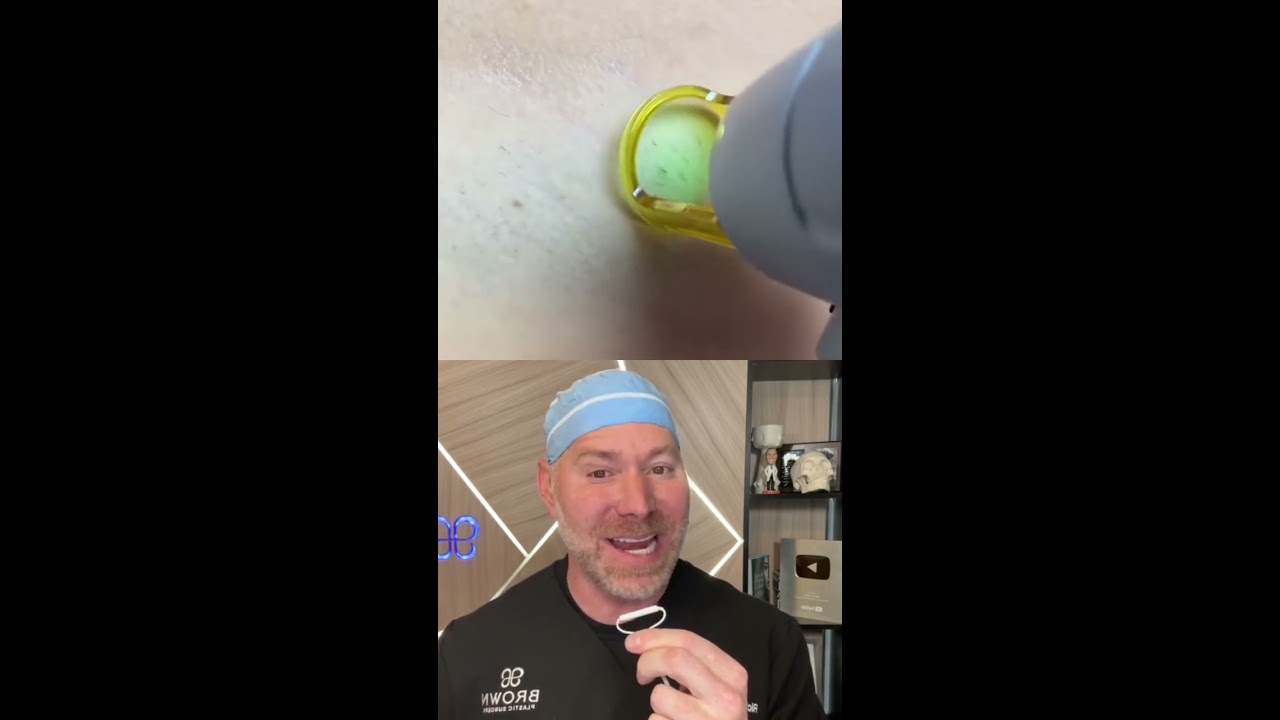
Diode at 800 to 810 balances absorption and depth of penetration. It offers a strong hair response across many skin types when paired with solid contact cooling. Many of the advanced laser hair removal systems you see in clinics use modern diode stacks because they are efficient, reliable, and can be engineered into large spot sizes.
Nd:YAG at 1064 penetrates deeper and has lower melanin absorption in the epidermis. That makes it the safer pick for laser hair removal for dark skin and for dense, coarse hair like beard laser hair removal or bikini laser hair removal in Fitzpatrick IV to VI. The price for that safety is that you often need more energy and more sessions to reach similar hair reduction.
The trend to watch is not a new wavelength, but smarter use of these three. Mixed or sequential platforms now fire Alexandrite and Nd:YAG in quick succession, or blend diode with one of them. Sequential dual wavelength firing lets you preheat deeper structures with 1064, then finish with 755, or the reverse. Done correctly, that can allow lower peak fluences and better comfort while maintaining effective laser hair removal on thick hair or in tricky zones.
Pulse engineering, not brute force
Older devices pushed single, long pulses and asked skin cooling to take the punch. Newer devices build energy in bursts. Think of it as stacking small taps that add up to a strong push, rather than one shove. Super hair removal modes, in motion passes, and burst pulse trains spread energy over time and space, keeping the epidermis cooler while still heating the follicle to a cytotoxic range.
For coarse hair, a millisecond scale pulse can still be ideal. For finer hair on the face, energy delivered in a series of microsecond scale packets can create meaningful heating without the welts and swelling that turn a lunchtime upper lip laser hair removal into an all afternoon hideout. With sensitive skin or higher Fitzpatrick types, the ability to fine tune pulse width in small increments and spread energy across multiple passes improves safe laser hair removal.
This is where good software matters. Modern consoles let a laser hair removal expert dial fluence, spot size, repetition rate, and pulse width in tighter steps. The safety net is broader too, with presets that lock out reckless combinations for specific skin types. If a clinic tells you they can only set energy and nothing else, you are looking at a device whose best days are past.
Cooling that actually cools
If you have ever flinched under a spray of cold gas or lifted your leg off a too warm treatment window, you know the importance of skin cooling. The best devices pair powerful cooling with real time monitoring. There are three approaches in common use:
- Contact cooling. Sapphire or glass windows, often chilled to 0 to 5 C, pressed against the skin. It is efficient and pairs well with diode lasers. The latest systems manage temperature precisely and recover quickly between pulses, so full body laser hair removal moves faster with less sting. Integrated cryogen or air. A cooling spray or a high flow cold air jet cools the surface just before the pulse. That pairs well with Alexandrite and Nd:YAG where the delivery is through an open handpiece, not a window in contact with skin. Vacuum assist. A few models lift and stretch skin into the handpiece with mild suction. That brings follicles closer to the energy source and reduces pain perception. It is less common now than a decade ago, but still useful for large, flat areas like back laser hair removal.
Better cooling is the unsung driver behind painless laser hair removal claims. Nothing is truly painless, but with solid contact cooling and smart pulse timing, most patients describe underarm laser hair removal and leg laser hair removal as a quick heat and snap, not the hot needle feeling of older tech.
Spot size and speed without losing control
Faster, yes, but not at the expense of even coverage. Large spot sizes, 20 to 30 millimeters, now come standard on many diode platforms. Bigger spots scatter less in skin and reach deeper follicles more uniformly, so the paradox is that they can be both faster and more effective. The bottleneck becomes heat management in the handpiece and maintaining even pressure and overlap.
The latest devices add tracking lights, audible metronomes, and, in some cases, optical motion sensors that detect hand speed. That reduces missed strips and double hits. In a full body laser hair removal appointment, anything that keeps overlap consistent protects skin and speeds the day along. Clinics that invest in hands on training for these features often shave 15 to 20 minutes from large area treatments without cutting corners.
Sensing and feedback during the pass
A big shift is moving from a static consultation to dynamic feedback. A proper laser hair removal consultation still maps skin type, hair color, density, medications, and sun exposure. The new layer is continuous sensing during treatment. Some devices track handpiece temperature, skin contact, and cumulative energy delivered to an area. Others pair a melanin reader with presets to suggest safe starting points. You still need a human to judge, but the guardrails reduce the chance of a careless setting on a tanned shoulder or a deeply pigmented neckline.
On the clinic side, data logging turns into quality control. I have seen centers use session records to refine their own protocols, spotting that leg settings were too conservative on week three post holiday, or that overlap was drifting at the end of long days. You can feel that difference in your results.
Darker skin, better safety
Laser hair removal for dark skin suffered years of overly cautious treatments that barely tickled follicles or aggressive passes that caused hyperpigmentation. The best clinics now combine 1064 Nd:YAG, long pulses, and firm contact cooling along with a skin prep routine that avoids photosensitizing products. They also pay more attention to test spots and staged energy increases across the first two sessions. With that approach, safe laser hair removal for Fitzpatrick V and VI is not an edge case. Expect more sessions and a bit more patience, but not a lower ceiling on outcomes for coarse hair on body sites.
For facial laser hair removal on darker skin, especially the chin and upper lip, I still advise conservative starts. The density of small blood vessels, hormones at play, and daily friction from masks or shaving add noise to the process. If a clinic chases a perfect result in three visits, you carry the risk. Six to ten visits, spaced 4 to 8 weeks, usually land you in a good place with fewer side effects.
The fine hair problem and paradoxical regrowth
The most frequent disappointment in permanent laser hair removal is fine, light vellus hair on the face. Melanin content is low, diameter is small, and the follicle sits closer to the surface. Push too hard and you heat skin more than the hair. Too soft and you do nothing. There is also a small but real risk of paradoxical hypertrichosis, where low level heat stimulates growth in neighboring follicles. The risk rises with low fluence, high pulse width settings used on lower face and neck, especially in patients with a history of waxing or threading.
When someone asks for upper lip laser hair removal on peach fuzz, I often steer them toward a different plan. Either target only the few coarse strands with a higher energy, short pulse approach and accept partial results, or consider a non laser method for the vellus hair. Honesty here prevents a lot of regret.
Men, beards, and body density
Laser hair removal for men is a growth segment, and the hair is literally thicker. Back laser hair removal and chest laser hair removal need sufficient energy and larger spot sizes to avoid patchy results. Beard laser hair removal and beard shaping can be rewarding, but the neck reacts more than cheeks and jaw. Expect transient https://www.google.com/maps/d/u/0/embed?mid=1vNcR08XMTD1ZSuqLRJnKJaIK-uEUKLU&ehbc=2E312F&noprof=1 redness and follicular edema for a day or two, and a slower fade of those tiny bumps if you train or shave daily. Good post care matters. A lightweight, fragrance free moisturizer and gentle cleanser beat any post treatment miracle cream.
Bikini laser hair removal and Brazilian laser hair removal demand privacy, clear communication, and an operator who knows how to work around hair swirls and anatomical contours. The payoff is high. Hair in this zone is coarse, dark, and dense, which means the laser can do real work with every pulse.
What session plans look like when done well
Most people land between 6 and 10 laser hair removal sessions for a robust initial clearance on body sites, often spaced 4 to 8 weeks at first, then stretched as hair thins. Facial areas may need shorter intervals early, then extend. Maintenance is real. Plan on a touch up every 6 to 12 months for hormonally sensitive areas. For legs or underarms, touch ups can be much less frequent.
Prices vary by region and clinic quality. Affordable laser hair removal does not have to mean cheap laser hair removal that cuts corners. If you see laser hair removal deals that pack endless small print, ask for the true laser hair removal cost per session and what settings and devices are included. Packages that group legs, underarms, and bikini often provide the best value because set up time is shared. Some centers now offer a laser hair removal monthly plan or subscription, which spreads cost and encourages timely sessions. That model works well if the clinic locks in the device type and does not bump you to a lower spec machine in later visits.
You will also see laser hair removal offers for full body. Ask how they define full body laser hair removal, whether the face is included, and how many passes each area receives per session. A single light pass from head to toe does not equal targeted, thorough coverage of each zone.
At home devices versus professional platforms
Home devices rely on Intense Pulsed Light, not medical laser hair removal. IPL can reduce hair, but the energy is broad spectrum and less efficient for melanin targeting. Safety margins are wide by design, which limits power. For light hair and dark skin, that safety margin often means little effect. If your goal is long lasting hair removal on legs or arms and your hair is brown to black on light to medium skin, at home IPL can soften regrowth with regular use. If you want effective laser hair removal with fewer sessions and more durable results, a professional laser hair removal service wins on physics alone. This is one place where the phrase laser hair removal near me can lead you right if you filter clinics by device and expertise, not just distance.
A smart way to choose a clinic
- Ask which wavelengths they offer and why they pick one for your skin and hair. Look for Alexandrite, diode, and Nd:YAG, or a strong case for the one they use most. Request a sample plan with estimated fluence, pulse width, and spot size ranges. Vague answers here hint at cookie cutter settings. Ask about cooling. The best systems can name the contact tip temperature or the air flow rate, not just say it is cold. Verify training. Who sets the parameters, and who holds the handpiece. A dermatologist, nurse, or experienced laser hair removal specialist with formal training inspires confidence. Look at real laser hair removal before and after photos from that clinic, matched to your skin type and treatment area.
If you want a quick filter, call and say you are curious about Nd:YAG settings for underarm laser hair removal on Fitzpatrick V. You do not need the exact numbers. You are checking whether the staff can speak the language.
Comfort and recovery, now more predictable
The ideal session feels like hot snaps with steady cooling, then mild redness and swelling around follicles for a few hours. That perifollicular edema is a good sign the target heated well. With strong cooling and precise pulse control, recovery is typically a same day thing across underarms and legs. Facial areas can stay pink into the evening. Bikini and Brazilian treatments may feel tender for a day. Ice packs are rarely needed now, a cool compress and fragrance free moisturizer usually suffice.
Side effects still occur. Temporary hyperpigmentation or hypopigmentation can appear, usually fading over weeks. Blisters and burns are rare in good hands but spike with recent sun exposure or mismatched settings. Ingrown hairs often improve after a few sessions because the hair shaft thins and exits the follicle more cleanly. For acne prone skin, reducing beard density can cut shaving related breakouts.
Hormones, teenagers, and patience
Laser hair removal for teenagers can be safe with the right consent and expectations, but hair patterns shift during late adolescence. Early starts on legs and underarms can pay off. Facial hair and hormonal areas are less predictable until the late teens or early twenties. In adults with PCOS or other endocrine conditions, set a maintenance mindset from day one. Laser tampers down the hair you have, but if the hormonal drive stays high, new follicles can recruit. Plan for periodic laser hair removal touch ups and do not let anyone promise a once and done solution.
Software guided planning without hype
Vendors now tout software guided treatment planning. Skip the buzzwords and ask what it means for you. The helpful bits are locked down parameter ranges based on skin type, error checks that prevent overlapping pulses from stacking heat too quickly, and logs that let your clinic refine care session to session. In practical terms, this leads to fewer hot spots on areas with curvature, like calves or triceps, and smoother outcomes in mixed tone areas such as the forearms.
What to watch in the next two years
- Wider adoption of dual wavelength, sequential firing for stubborn areas and mixed tone skin. Larger spot sizes with better edge uniformity, cutting total session time on full legs from an hour to under 40 minutes in skilled hands. More precise contact cooling with real time surface temperature display, reducing the need for topical anesthetics. Smarter motion guidance in handpieces, lowering skip zones on back and chest laser hair removal. Clinic models that blend laser hair removal packages with flexible maintenance credits rather than rigid, expiring bundles.
None of this replaces fundamentals. Consistent scheduling, good pre care and post care, honest settings, and an operator who knows when to stop are still what produce the best laser hair removal results.
Pre care and post care that pay dividends
Sun management remains the quiet hero. Avoid direct sun on treatment areas for two weeks before and after a session. Self tanners mask true melanin content and fool sensors, so skip them. Shave within 24 hours before your appointment. Do not wax or thread during a series, because you need the follicle in place. After treatment, keep it simple. Cool water, gentle cleanser, and a bland moisturizer. Skip hot yoga the same day for bigger areas and avoid actives like retinoids or glycolic acids for a few days on facial zones.
If you want a painless laser hair removal session, speak up. Topical numbing can help in specific spots, but strong contact cooling and pulse tuning usually trump numbing cream. Numbing also constricts vessels and can make it harder to read skin color, so many clinics use it sparingly.
Cost transparency that respects your time
Laser hair removal price varies with geography, device quality, and operator experience. A single medium area, such as underarms, often runs in the low to mid hundreds per session in major cities and lower in community clinics. Full legs can range widely, sometimes in the high hundreds. You may see laser hair removal offers that look like a steal. If they require you to purchase a long series up front, ask what happens if results plateau early. Good clinics will convert unused sessions to maintenance or to different areas. That is fair.
If you search laser hair removal clinic near me and see a mix of med spas and dermatology offices, judge them on depth, not décor. A dermatologist led laser hair removal skin clinic brings medical oversight and comfort with complex skin, but many med spa teams have excellent hands and deep device knowledge. The safest bet is a place that can explain why they choose certain settings for your skin and hair, and who invites you back for a quick check after the first pass before locking in a full package.
A few field notes from the chair
When I see dense, coarse hair on calves, a large spot diode with strong contact cooling typically wins for fast, effective laser hair removal. On Fitzpatrick V armpits, a 1064 Nd:YAG with a longer pulse and firm contact cooling is my first pick. For upper lip on fair skin with mixed fine and medium hair, I often treat only the darker strands and leave the fuzz, or I switch the conversation to a different grooming option. That honest call saves everyone time and improves satisfaction.
For beard shaping, map the line with a white eyeliner pencil, then take one conservative pass before tightening it. The neck often shows more reactivity than the cheeks. I ask men not to shave for 24 hours after to reduce mechanical irritation. When paradoxical regrowth appears at the border of a treated patch on the jawline, it is tempting to chase it immediately. I wait a cycle, reassess, and then treat with a higher fluence, shorter pulse, and tighter overlap, or I choose not to treat if the hair is too fine to absorb safely.
The bottom line for patients and clinics
Permanent laser hair removal remains one of the most satisfying aesthetic treatments when matched well to a person’s skin, hair, and goals. The latest laser hair removal technology brings real gains in comfort, speed, and safety. Stronger cooling, refined pulses, larger and more uniform spot sizes, and useful sensing help both sides of the handpiece. The tradeoffs have not vanished. Fine, light hair is still a weak target. Darker skin still demands discipline and care. Hormones still write part of the story.
If you are a patient, invest in a thoughtful laser hair removal consultation, ask specific questions, and value clinics that speak plainly about benefits and side effects. If you run a laser hair removal center, upgrade not just the box, but the training and the workflow that support it. In both cases, the goal is the same: safe, effective, long lasting hair removal that feels routine, not heroic. When a technology trend makes that more likely session by session, it is worth watching and, when ready, worth adopting.