Good laser hair removal results do not happen by accident. Skin that is calm, well hydrated, and protected from the sun will tolerate energy better and recover faster. Over the last decade working across clinics and med spas, I have seen the same pattern play out. Clients who respect the preparation timeline and follow simple aftercare almost never struggle with bumps, pigmentation, or disappointing hair reduction. Those who cut corners tend to add weeks to their journey and sometimes undo progress between sessions.
This guide walks through what matters before and after a laser hair removal session, with practical detail for face, bikini, underarm, legs, back, and chest. I will also touch on device differences, sensitive skin, darker skin tones, medications that change light sensitivity, and realistic expectations for results and cost.
Why skin prep changes your results
Laser hair removal treatment targets pigment in the hair shaft and, ideally, the follicle’s growth center. A smooth energy path from the laser to the follicle equals efficiency. Anything that competes for light, inflames the skin, or shifts your pigment level changes that path. Tanning deepens epidermal pigment, retinoids thin the stratum corneum, and a recent wax strips the hair target entirely. When these factors are controlled, a clinic can deliver a safer, more powerful session, which usually means better hair reduction per visit and fewer total sessions needed.
I have measured this effect countless times in practice. Clients who come in untanned and freshly shaved, without recent waxing or active irritation, often reach 70 to 90 percent hair reduction in six to eight visits for common areas like underarms. The same skin with a fresh spray tan or a week of beach sun may need the laser turned down, delaying the result curve by one or two sessions.
A quick primer on how the devices differ
Knowing which technology a clinic uses helps you tailor prep and set expectations.
Diode laser hair removal remains a workhorse for many skin types. Wavelengths around 805 to 810 nm balance melanin targeting with depth, which suits medium skin tones and coarse hair on legs, arms, underarms, and backs. Alexandrite laser hair removal, often at 755 nm, is efficient for lighter skin types with dark, dense hair, such as face laser hair removal for the upper lip and chin on Fitzpatrick I to III. Nd:YAG laser hair removal, at 1064 nm, penetrates deeper and is less absorbed by epidermal melanin, which makes it a safer option for darker skin tones and tanned skin, though fluence and pulse width still need careful adjustment.

Advanced laser hair removal platforms combine large spot sizes with cooling and smart sensors. Some devices deliver fast laser hair removal in motion, which can reduce discomfort on broad areas like leg laser hair removal or back laser hair removal. These differences do not change the core prep, but they influence who is an ideal candidate, the number of sessions needed, and how aggressively a specialist can treat on day one.
Choosing the right clinic and consult questions that matter
If you are searching laser hair removal near me and comparing clinics, focus on experience, device range, and patient selection protocols more than glossy marketing. A professional laser hair removal provider should do a proper skin and hair assessment, review medical history and medications, explain likely sessions needed, and perform a patch test where appropriate. I prefer centers that have both diode and Nd:YAG, or alexandrite and Nd:YAG, because that allows tailoring to skin tone shifts through the seasons and to mixed areas on the same person.
Ask who will operate the machine, what their certification requires, how they handle adverse reactions, and whether the clinic photographs laser hair removal before and after for progress tracking. You should also get clarity on the laser hair removal procedure plan: fluence ranges, pulse widths for your hair caliber, cooling method, and spacing between visits. Transparent clinics will discuss laser hair removal risks in plain language, not bury them behind paperwork.
The pre-treatment timeline, realistically
Preparation starts weeks before your first laser hair removal appointment. It is not complicated, but time matters. Tanning and hair removal methods are the two big variables.
Four to six weeks before the first laser hair removal session, stop waxing, plucking, threading, and depilatory creams on the area. Shaving is the only allowed method from now on. The laser needs the root in place to work. If you remove it, there is nothing to target, and you will waste time and money. For face areas with persistent threading habits, set a reminder on your phone. The urge to clean up just one stray hair the day before often derails a session.
Two weeks out, limit sun exposure and skip self-tanner. If you must be outdoors, think in layers: SPF 50, a hat, UPF clothing. Clients who tan easily should consider scheduling most treatments outside peak summer or moving to Nd:YAG if their clinic supports it. Medications matter at this stage. Photosensitizers like doxycycline, minocycline, isotretinoin, and some herbal blends can raise risk. Talk to your provider. In many cases, you can shift timing or use alternate plans.
Three to five days before treatment, pause exfoliants and actives on the area. That usually means retinoids, AHAs, BHAs, benzoyl peroxide, prescription topicals that thin skin, and strong vitamin C serums if they trigger irritation for you. Keep the barrier intact and quiet.

Within 24 hours of your visit, shave the area closely. Clean, dry skin without residue is ideal. Skip heavy oils, fragranced lotions, and occlusive balms on the day. For bikini or underarm laser hair removal, a fresh, careful shave matters more than you might think. Stubble above the skin surface can char under the beam, creating extra heat at the epidermis.
A concise pre-session checklist
- No sun exposure or self-tanner on the area for 10 to 14 days, and no recent burns or peeling No waxing, plucking, threading, or depilatories for 4 to 6 weeks; shave only within 24 hours Pause retinoids, strong acids, benzoyl peroxide, and abrasive scrubs on the area for 3 to 5 days Disclose photosensitizing meds and recent antibiotics; reschedule if needed for safety Arrive with clean, dry skin, no makeup, deodorant, or heavy skincare on the treated area
If you use a topical anesthetic, clear it with your clinic first. Some centers apply a numbing cream for face or bikini areas 20 to 40 minutes before the laser hair removal process. Others rely on chilled air and contact cooling. Everyone’s pain threshold differs. Underarm laser hair removal often feels snappy but brief, while full body laser hair removal sessions can benefit from staged breaks and hydration.
What to expect during the session
The practitioner will confirm shave quality, inspect for irritation, and, if needed, clean the skin. Protective eyewear goes on. Many clinics start with a few test pulses to gauge your skin response and adjust settings. A quick gray or white puff on the hair shaft is normal as melanin absorbs heat. You may notice a rubber band snap sensation or a warm prickly feel, depending on area and device.
For legs and arms, the large handpiece and in-motion technique finish fast. Face laser hair removal requires precise placement around features, which takes care. Bikini laser hair removal can be modest or extensive. If you prefer a Brazilian style, communicate boundaries clearly. Your comfort is the priority.
Treatments can take 5 to 10 minutes for underarms, 10 to 20 for face, 20 to 30 for legs per side, and 20 to 45 for back or chest laser hair removal. Add time for photos and cooling. A reputable provider will not rush. Time spent setting fluence and spacing properly pays off in better outcomes.
Immediate aftercare and the first 48 hours
Expect mild redness and follicular edema, which look like raised goosebumps around hair follicles. This typically settles within a few hours, sometimes up to 24. The skin can feel warm, similar to a light sunburn. Cooling gel, chilled packs wrapped in soft cloth, and an uncomplicated moisturizer help.
The most important rule during the first two days is to treat the area like it is sun sensitive and slightly inflamed. Excess heat, friction, fragrance, and actives are your enemies. If you plan a workout, dial it back. Sweat and tight clothing can irritate freshly treated follicles, especially in the bikini or underarm zones.
Aftercare essentials, kept simple
- Keep the area cool and dry for 24 to 48 hours; avoid hot tubs, saunas, and very hot showers Use a bland moisturizer and gentle cleanser; skip fragrance, acids, and retinoids for 3 to 5 days Protect from sun with SPF 50 and clothing; no tanning for at least 10 to 14 days Avoid heavy workouts, tight rubbing fabrics, and exfoliation for 24 to 48 hours Do not pick or scratch; if itchy, use a cold compress or a small amount of 1% hydrocortisone short term
If razor burn or itch tends to bother you, plan underwear and athleisure that reduce friction on day one. For men doing chest or back areas, soft, breathable cotton is kinder than technical fabrics with rough seams. Clients with a history of ingrowns may benefit from introducing a gentle chemical exfoliant 3 to 5 days after treatment, not before. Polyhydroxy acids and lactic acid are often better tolerated than strong glycolic blends.
Shedding, timing, and what “permanent” really means
Around 7 to 21 days after a laser hair removal session, the treated hairs typically shed. It looks like they are still growing, then they wipe or fall out in the shower. This is normal. Do not force them out. A soft washcloth and your usual cleanser are enough. True new growth will be finer and slower over time.
Laser hair reduction is most effective on hair in the anagen, or active growth phase. Not all follicles are in anagen at once, which is why a series of sessions is necessary. Facial areas cycle faster and usually need appointments every 4 to 6 weeks. Body areas like legs or back extend to 6 to 8, sometimes 10. Most clients need 6 to 10 sessions for a significant reduction, with the lower end common for dark, coarse hair on light skin treated with alexandrite or diode. For lighter or finer hair, hormonal areas, or darker skin tones where settings are conservative, plan closer to the higher end. Maintenance touch ups once or twice a year help sustain results.
Permanent laser hair removal is a phrase you will see often. Medical literature and real world experience agree that the better term is long term hair reduction. Expect a major and lasting decrease in volume and thickness. Some follicles may never return. Others may miniaturize. Hormonal shifts, pregnancy, menopause, or certain medications can recruit myethosspa.com Somerville NJ laser hair removal dormant follicles later, which is why maintenance exists.
Skincare that plays well with the laser
Your daily routine does not need an overhaul. During active treatment cycles, keep it simple around sessions and more active in the in-between weeks. I like a pattern where the three days before and after a session are “barrier days.” On those days, use a gentle cleanser, a fragrance free moisturizer, and mineral or hybrid sunscreen. No scrubs, retinoids, or strong acids on the treated area. Outside that window, resume normal actives to your skin’s tolerance. If you love a retinoid, reintroduce it slowly, especially on the bikini line where occlusion from underwear can intensify products.
Avoid essential oils and heavy fragrance near treated follicles. They offer no benefit in this context and raise the risk of contact dermatitis. If you get stubborn dryness after sessions, a short course of a ceramide rich cream or a petrolatum based ointment at night can help. Use a light layer, not a thick occlusive film, to avoid trapping heat on day one.
Special notes by body area
Face laser hair removal on the upper lip, chin, and sideburns can transform daily routines, but facial skin is active territory for skincare. Retinoids, exfoliants, and vitamin C serums often cluster here. Build a calendar. If your laser hair removal appointment is on a Friday, make Tuesday to Sunday your barrier days and keep Monday as your first gentle retinoid night back. Men doing laser hair removal for beard shaping should plan around shaving patterns. A close shave the day before helps, and aftercare should include a bland, alcohol free post shave balm. If you are prone to post inflammatory hyperpigmentation, lean toward Nd:YAG on darker skin and be conservative with heat exposure after sessions.
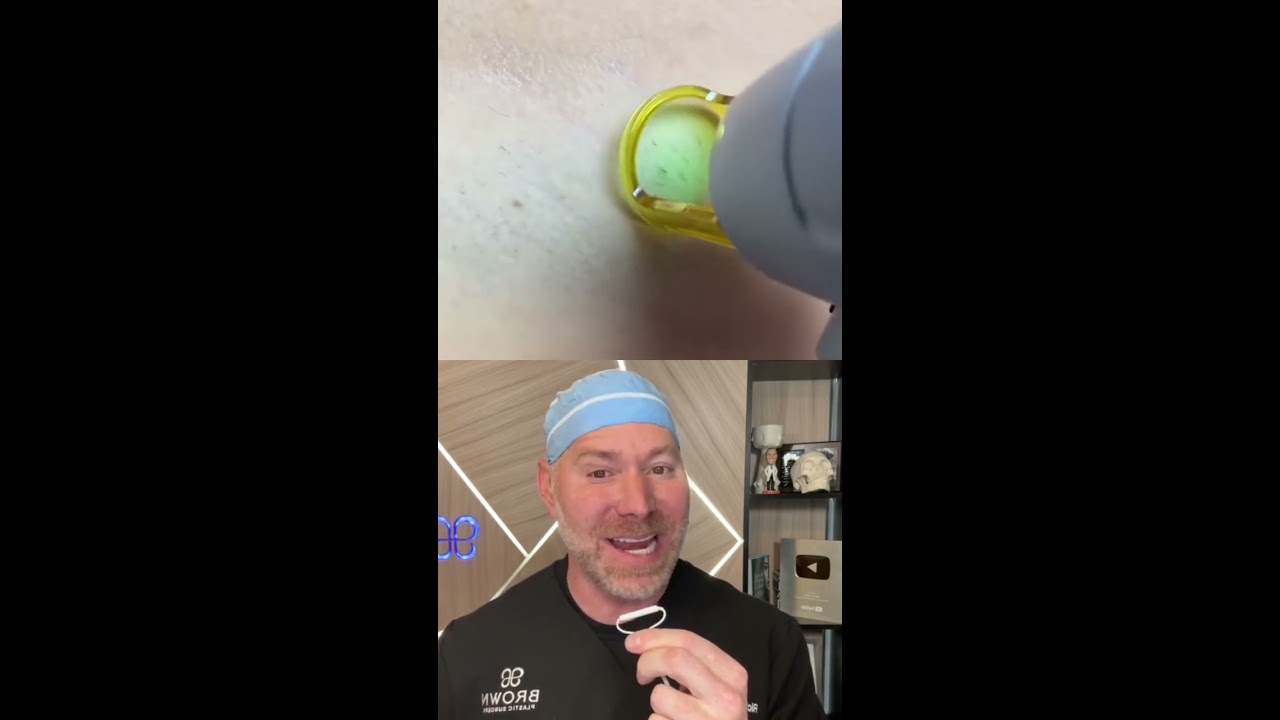
Underarm laser hair removal benefits from careful deodorant choices. Aluminum salts and fragrance can sting right after treatment. Skip deodorant for 24 hours, then resume with a mild option. Hair reduction here tends to be fast, which is rewarding and builds confidence for larger areas.
Bikini laser hair removal accumulates friction from clothing and workouts. Book sessions when you can wear softer garments for a day or two. Avoid swimsuits and chlorinated pools for 24 to 48 hours. Post session itch is common here. Cold compresses work better than scratching. If you currently battle ingrowns, laser usually improves them dramatically after two to three sessions as hair shafts thin and angle less sharply.
Leg laser hair removal is straightforward but requires sun discipline. Legs tan easily and hold onto pigment. Clients who golf or run outdoors should make sunscreen part of the ritual and consider scheduling most of their package in shoulder seasons. For very fine lower leg hair, manage expectations. Finer hair has less pigment, so more sessions and patience are needed.
Back and chest laser hair removal often involve dense, coarse hair on large surfaces. Hydration the day before and day of helps skin handle the session. Men with active body acne should calm breakouts before treating the area, since open lesions are not ideal targets and can affect coverage. A short antibiotic course or a benzoyl peroxide wash used well outside the barrier window might be part of a plan you discuss with a dermatologist.
Darker skin tones and sensitive skin
Safe laser hair removal on darker skin is achievable in skilled hands, typically with Nd:YAG and appropriate settings. The goals are to protect the epidermis and deliver energy deep enough to affect the follicle. Pre and post sun avoidance is even more critical. Moisturizer, cooling, and a cautious reintroduction of actives guard against post inflammatory hyperpigmentation. If you have a history of keloids, share that. The vast majority still do well, but your specialist may adjust parameters and counsel on friction reduction during healing.
Sensitive skin clients, including those with eczema or rosacea, should schedule when the condition is quiet on the area. Flares increase risk of irritation. A plain moisturizer and mineral sunscreen often outperform complicated routines in this context. Patch testing is your friend. Most clinics will apply a few pulses behind the ear, along the bikini line edge, or on a small patch of the leg to preview how your skin behaves 48 hours later.
Sun protection without drama
The most common complication after laser hair removal is pigment change, usually from sun exposure too close to a session. It is preventable. Commit to a broad spectrum SPF 50 on any exposed treated area for at least two weeks post session, reapplied every two hours outdoors. Pair it with physical barriers. A wide brim hat, UPF leggings, a high neck tee, and shade do more work than any bottle. If you accidentally burn the area between sessions, call your clinic. They will likely push your appointment a week or two and help you reset.
Skip spray tans and self tanners during active treatment cycles. They add pigment that the laser can see. If you absolutely must apply one between visits, allow at least 10 to 14 days before your next session and ensure all color has faded evenly. Uneven fade can cause striping when the beam tracks across areas of differing pigment.
What is normal, what is not, and when to call
Redness and minor swelling around follicles for a few hours are expected. Mild itch or warmth is common. Tiny crusts can occur on coarse hair zones and resolve within days. What is not typical: significant swelling that persists past 48 hours, large blisters, spreading hives, oozing, severe pain, or darkening patches that expand quickly. If you see these, contact your laser hair removal clinic promptly. Early intervention keeps small issues small. Most cases respond to topical steroids, cool compresses, and a short pause on actives. Rarely, true burns need in person evaluation.
If you have a last minute medication change, such as being prescribed doxycycline for a sinus infection, tell your provider. They would rather reschedule than risk a photosensitive reaction. The same goes for starting a new skincare active that left you peeling the week of your appointment.
Planning the series, costs, and package logic
Laser hair removal cost varies by region, device, and provider skill. Underarm sessions often range from a modest fee per visit to affordable laser hair removal packages that bundle six to eight sessions. Larger areas like full legs or full back carry higher single visit prices but may be less expensive per square inch when purchased as a series. Clinics frequently offer laser hair removal deals in off peak months or provide laser hair removal discounts for combining areas. Cheap laser hair removal can be tempting, but the operator, safety standards, and device quality matter more than the immediate price tag. Poor technique ends up expensive.
If you prefer predictability, ask about a laser hair removal monthly plan or subscription that spaces payments over the series. A good clinic will map your laser hair removal treatment plan, set intervals, and explain how maintenance sessions are priced. Make sure you understand refund or transfer policies if you move or need to pause for medical reasons.
Shaving between sessions and the myth of “letting it grow”
Between appointments, you can shave as needed. There is no benefit to “letting it grow” for the laser. The target lives below the surface, and visible length only adds the risk of surface charring. For people with sensitive skin, an electric razor or a high quality single blade can reduce irritation compared with multi blade cartridges. Shave with a slip agent you know your skin tolerates, then rinse thoroughly. If you are moving from waxing or epilation, expect a learning curve. Follicles that grow back finer can be easier to shave without cuts after a few sessions.
Managing ingrowns and texture
Laser hair removal is one of the best answers for recurrent ingrowns on the bikini line and beard area. You should see fewer trapped hairs by session three or four, as shafts thin and angles become less aggressive. Do not attack bumps with tweezers. That defeats the purpose and risks scarring. If you tend to get post shave texture, consider introducing a gentle chemical exfoliant or a urea based lotion three to five days post treatment, never immediately after. Reserve physical scrubs for much later, if at all. An occasional warm compress softens the area without friction.
Men, women, and hormonal areas
Laser hair removal for men commonly targets neck, cheeks for beard lines, chest, back, and shoulders. These areas can be hormonally influenced and sometimes need more sessions or occasional maintenance. Women often treat face, underarms, bikini, and legs. The chin and lower face can be hormonally sensitive, especially with PCOS. Be ready for slightly higher session counts and celebrate wins in texture and ingrown reduction while the series progresses. A clinic that speaks openly about these patterns is doing you a favor. It keeps expectations realistic and motivation steady.
When laser is not the right answer
If your hair is very light blonde, red, gray, or white, current hair removal laser treatment cannot reliably see it because there is little to no melanin. Electrolysis, which targets follicles individually with a probe, may be a better option for permanent results in these cases. Also, if you are on isotretinoin or have active infections or open wounds on the treatment area, delay laser until conditions are favorable. Safety first, always.
The rhythm that delivers results
The clients who do best show up shaved, untanned, and calm in their skincare, then protect their skin intelligently afterward. They keep their laser hair removal booking cadence, ask questions, and speak up if something feels off. They choose a laser hair removal center that values assessment over sales scripts and uses technology suited to their skin tone and hair type.
If you are still searching for the best laser hair removal clinic near me, look for clear protocols, credentialed staff, and a plan that treats you as an individual. The top rated laser hair removal providers earn their reviews by getting the small details right every time. Pre and post care are two of those details. Handle them well, and the path to smooth, low maintenance skin becomes shorter, safer, and more satisfying.